When Saliva Fails: Demystifying Dry Mouth, Its Oral–Systemic Consequences, and Evidence‑Based Support Strategies
CPD: 1 CPD credit
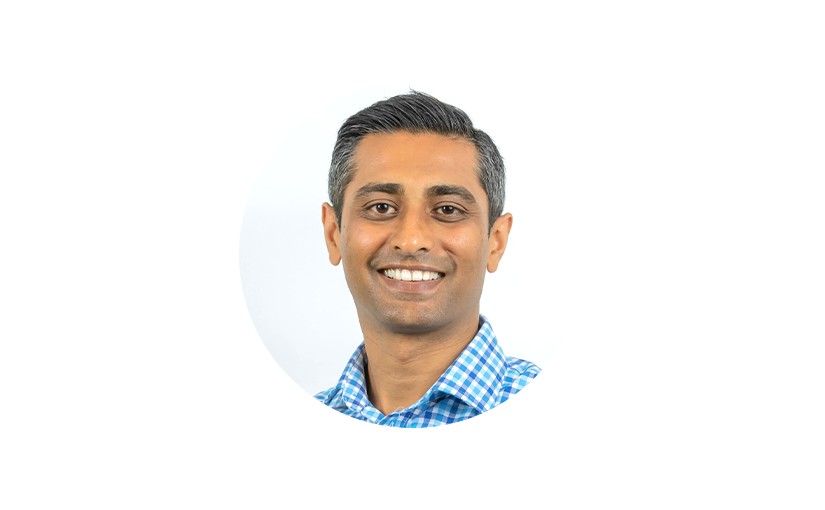
Dr Rakesh Jivan BDS (U’Birm), Cert.Rest.Dent(UCL), FPFA, Scientific Affairs Manager, GC Australasia Dental
Dr. Rakesh Jivan obtained his Bachelor of Dental Surgery from The University of Birmingham, UK, in 2000 and completed postgraduate studies in restorative dentistry at the Eastman Dental Institute, University College, London, in 2004. He has owned private practices in the UK and Australia and has over 25 years of experience in public, private, and corporate dental practice, including collaboration with dental materials manufacturers as a key opinion leader and educator. Recognised for his contributions to dental education, he was inducted as a Fellow of the Pierre Fauchard Academy in 2021. Currently, Rakesh serves as the Scientific Affairs Manager at GC Australasia, supporting the education, training, and professional development of dentists and stakeholders in specialised markets, including Government, Dental Service Organisations (DSOs), and Corporate groups.
Overview
Dry mouth is a common yet frequently under‑recognised clinical condition, affecting approximately one in four patients globally. In everyday dental practice, early salivary changes are often subtle and easily overlooked, despite their profound impact on patient comfort, oral function and long‑term oral health outcomes.
Ageing, polypharmacy, diabetes, mouth breathing, sleep apnoea and cancer therapies are among the most prevalent contributors to xerostomia and hyposalivation. Reduced salivary flow and altered composition disrupt the oral ecosystem, increasing the risk of caries, erosion, mucosal disease, denture intolerance, dysbiosis of the oral biofilm and impaired quality of life.
Saliva plays a central protective role in oral health through lubrication, acid buffering, antimicrobial regulation, mineral homeostasis and tissue repair. When these functions are compromised, oral disease processes accelerate and functional challenges such as difficulty speaking, swallowing and wearing prostheses become more pronounced.
This webinar provides a structured, evidence‑based exploration of dry mouth, progressing from prevalence and biological mechanisms to clinical manifestations and diagnostic approaches. Particular emphasis is placed on high‑risk populations, including older adults and patients undergoing chemotherapy or radiotherapy for head and neck cancers. In Australia, more than 170,000 individuals are diagnosed with cancer annually, with up to 90% experiencing moderate to severe dry mouth during treatment.
This presentation will also review the chemistry, formulation and clinical relevance of commonly used dry‑mouth products found on supermarket and pharmacy shelves. This practical focus enables dental professionals to confidently recommend effective, evidence‑based support strategies, integrate saliva assessment into preventive care planning and communicate the clinical significance of dry mouth across the broader healthcare team.
Learning objectives
- Distinguish between xerostomia and hyposalivation and understand their relevance in clinical assessment.
- Outline the key protective functions of saliva and why salivary changes matter in oral health.
- Recognise how reduced or altered saliva contributes to oral disease risk and functional challenges.
- Identify major risk factors and common clinical presentations associated with dry mouth.
- Appreciate the broader functional and quality‑of‑life impacts experienced by patients with dry mouth.
- Apply practical screening and diagnostic approaches to support early identification in dental settings.
- Assess dry‑mouth risk in medically compromised and older patients, including oncology and polypharmacy contexts.
- Discuss evidence‑informed strategies to support patients with dry mouth and guide appropriate referral.
- Integrate saliva assessment into personalised preventive care planning.
- Communicate the clinical significance of dry mouth effectively to patients and other health professionals.
