Reining in Remineralisation: How RECALDENT™ (CPP-ACP) modulates fluoride behaviour in high concentration varnishes towards sub-surface mineral recovery
CPD: 1 CPD
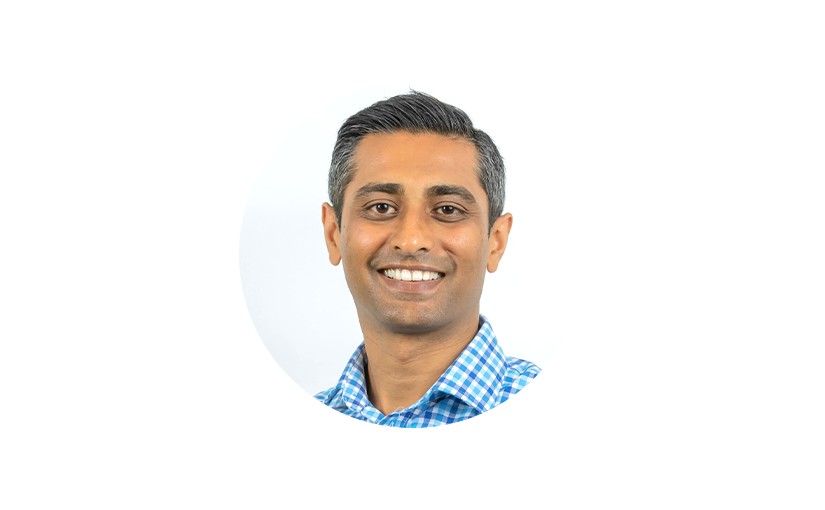
Dr Rakesh Jivan BDS (U’Birm), Cert.Rest.Dent(UCL), FPFA, Scientific Affairs Manager, GC Australasia Dental
Dr. Rakesh Jivan obtained his Bachelor of Dental Surgery from The University of Birmingham, UK, in 2000 and completed postgraduate studies in restorative dentistry at the Eastman Dental Institute, University College, London, in 2004. He has owned private practices in the UK and Australia and has over 25 years of experience in public, private, and corporate dental practice, including collaboration with dental materials manufacturers as a key opinion leader and educator. Recognised for his contributions to dental education, he was inducted as a Fellow of the Pierre Fauchard Academy in 2021. Currently, Rakesh serves as the Scientific Affairs Manager at GC Australasia, supporting the education, training, and professional development of dentists and stakeholders in specialised markets, including Government, Dental Service Organisations (DSOs), and Corporate groups.
Clinical Synopsis
Fluoride remains the foundation of caries prevention, but high fluoride concentration alone does not guarantee optimal remineralisation. Fluoride activity is influenced by formulation, retention time, saliva quality, pH, calcium and phosphate availability, and the ability of ions to remain bioavailable long enough to affect the lesion environment.
This presentation reframes fluoride varnish therapy through the lens of modern caries science: a dynamic, biofilm-mediated process governed by repeated cycles of demineralisation and remineralisation. It will explore how fluoride acts at the tooth surface, why calcium and phosphate availability are critical, and how different high-fluoride delivery systems including APF gels, first-generation sodium fluoride varnishes, and varnishes containing fTCP and RECALDENT™ (CPP-ACP) differ in release kinetics, ion behaviour, and clinical intent.
Particular focus will be given to the distinction between surface-dominant fluoride effects, such as calcium fluoride-like reservoir formation, and the conditions that support deeper mineral recovery within early subsurface lesions. The presentation will also examine how RECALDENT™ (CPP-ACP) helps to maintain calcium and phosphate in a bioavailable form to support fluoride-mediated remineralisation.
The aim is to translate these mechanisms into practical clinical decision-making: selecting the most appropriate fluoride strategy based on caries risk, salivary status, lesion activity, and treatment goals.
Learning Objectives
By the end of this presentation, participants will be able to:
-
Identify clinical indications for fluoride varnish use based on caries risk, salivary status, lesion activity, and treatment objectives, including alignment with the 2019 Australian fluoride guidelines.
-
Explain the role of saliva and salivary proteins in maintaining mineral homeostasis and dynamic equilibrium at the tooth surface.
-
Describe why calcium and phosphate availability influence fluoride behaviour, and why fluoride concentration alone does not determine remineralisation potential.
-
Differentiate surface-dominant fluoride effects from solution-phase pathways that support sub-surface remineralisation.
-
Compare high-fluoride delivery systems including APF gels, first-generation sodium fluoride varnishes, and calcium phosphate modified varnishes in terms of formulation, release kinetics, retention, and clinical intent.
-
Interpret the clinical relevance of early fluoride release kinetics, including the rationale for avoiding eating, drinking, brushing, and flossing during the early post-application window.
-
Explain how RECALDENT™ (CPP-ACP) may influence fluoride varnish performance by supporting calcium and phosphate bioavailability, fluoride behaviour, and local mineral supersaturation.
-
Apply an evidence-informed approach to selecting fluoride therapies for patients with varying caries risk, salivary status, and remineralisation needs.
